
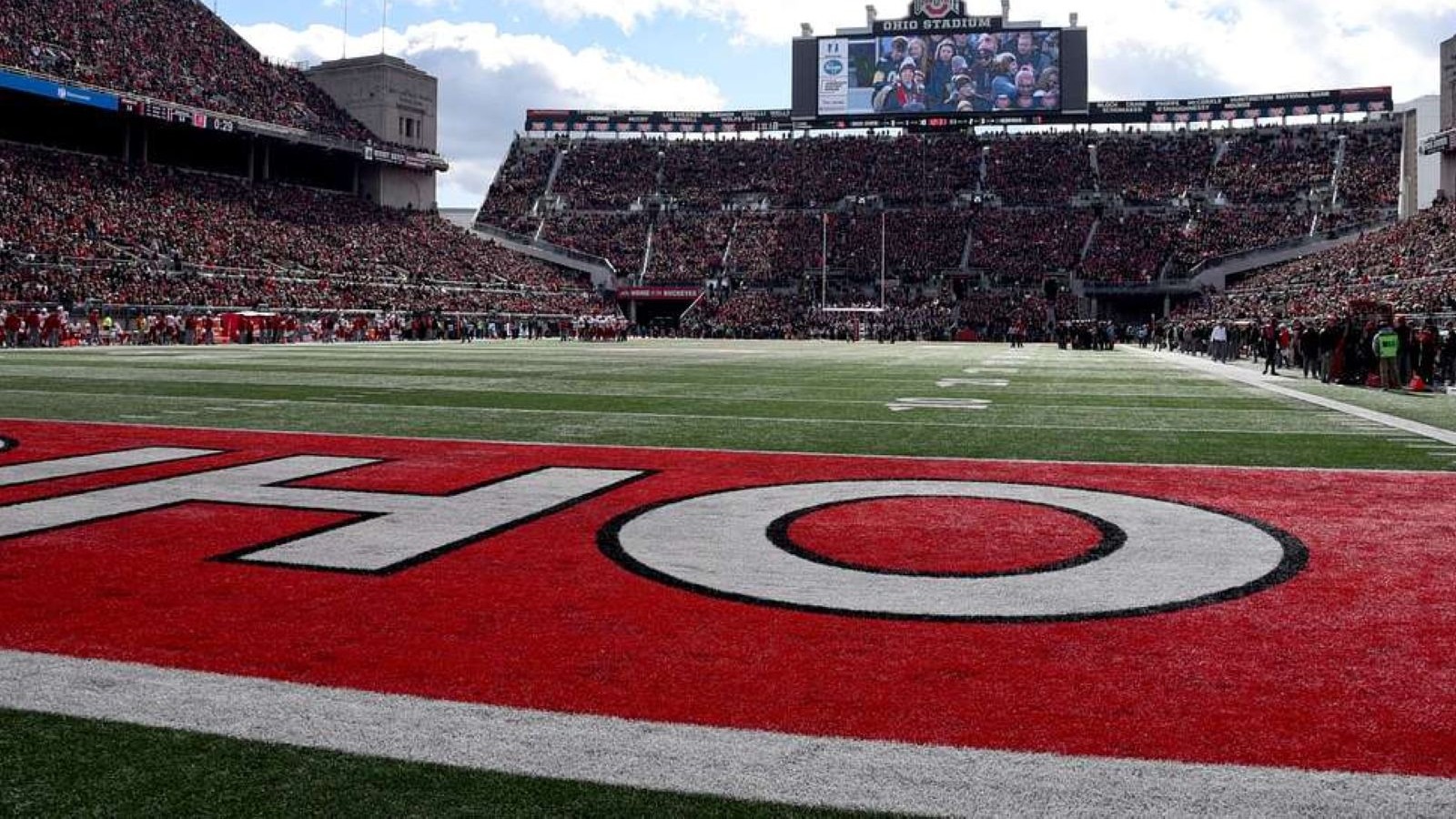
A GOP proposal, the Save Ohio Sports Act, would herd every legal wager back onto the floors of the state’s four casinos, kill props, parlays, and in-play markets, and cap a single bet at $100. Passage is a stretch, yet nothing this drastic has surfaced anywhere since betting went legal.

- House Bill 971, dubbed the Save Ohio Sports Act, would shut down mobile and online wagering statewide and let people bet only face-to-face at Ohio’s four casinos
- The measure would also erase player props, in-play markets, parlays, and any bet on college teams, while capping a wager at $100 and holding customers to eight bets in a day
- Enacting it would make Ohio the earliest state to reverse online betting since the 2018 Supreme Court decision that opened the floodgates
- With mobile play responsible for 98.5% of the state’s handle in a recent month, killing it would gut both the market and the roughly $200 million in annual tax it kicks up
- Loud opposition and the fact that the bill has yet to land in a committee leave its odds of becoming law slim
As nearly every other state keeps loosening its betting rules, a bloc of Ohio Republicans is pushing to slam the door. Their bill would scrap online sports betting across the state outright, a reversal no state has pulled off since wagering went legal from coast to coast.
What the Ohio Sports Betting Ban Would Do
Representatives Johnathan Newman and Beth Lear filed House Bill 971, which they call the Save Ohio Sports Act, on July 1, joined by roughly 10 fellow Republicans and building on a plan the group teased back in April. The heart of it is simple and severe: pull the plug on every online and mobile bet and allow sports wagering only in person at the four casinos Ohio licenses. That change by itself would upend how almost everyone in the state plays, since online sportsbooks draw nearly all of the money wagered. Even the wagers left standing at the window would be pared down to plain, single-game bets.
The Rest of the Rollback
From there the bans stack up. Player props would go, along with any wager on college teams, the in-play markets that let people bet as a game unfolds, and the parlays that string picks together. A single bet could not exceed $100, no one could place more than eight in a day, and funding an account with a credit card or other borrowed cash would be off-limits. Welcome bonuses and other promotions would vanish, and sportsbook ads would be pushed off live game broadcasts and out of college venues. Put plainly, the thin menu of bets surviving at Ohio’s land-based casinos would barely resemble what players tap through now.
Why the Sponsors Say They Are Doing It
The sponsors sell it as a public-health measure rather than a budget one. Newman contends the odds are rigged against everyday players, citing an estimate that about 95 percent of Ohio bettors end up net losers, and he put it bluntly: “monetizing addiction to fund public education is the wrong direction for Ohio.” Rolled out with a conservative advocacy group, the bill leans on fears about addiction, minors’ exposure, and how betting now travels everywhere in a pocket. The governor may be receptive, too. Mike DeWine put his signature on the state’s first betting law in 2021 and has since said Ohio was wrong to do it, a reversal that sharpened once federal prosecutors accused two Cleveland Guardians pitchers of fixing pitches, and he has pushed on his own to outlaw prop bets.
The Market a Ban Would Erase
The money at stake is precisely why the bill looks like such a long shot. Legal wagering has been live in the state since Jan. 1, 2023, and the mobile side has swallowed almost all of it, standing at roughly 98.5 percent of the handle in a recent monthly report. Across 2025 the market cleared north of $1 billion in revenue and handed the state close to $210 million in tax at the 20 percent rate, with another $90 million or so following in just the first five months of 2026. Those dollars underwrite schools and problem-gambling services, so switching off online play would tear a sizable gap in a budget it currently helps prop up. This is where the fight over sports betting in Ohio really turns.
The Opposition
The Statehouse is far from unanimous, and the rebuttals have been blunt. Democratic state Senator Bill DeMora dismissed the plan as ludicrous, warning that “no one’s going to bet if you don’t have prop bets and parlay betting” and implying the sponsors do not really understand the products they want to curb. Trade groups and other detractors make a different case: a ban would not kill demand, it would reroute it, sending Ohioans to unlicensed offshore operators that guarantee no protections and pay the state nothing, while stripping away the monitoring and tax dollars the legal market delivers. A rival school of thought exists under the same dome, as well, with some legislators preferring to raise betting taxes rather than outlaw the activity, proof the state has yet to agree on a fix.
A National First, If It Happens
The reason the bill matters outside Ohio is the precedent it would set. If it clears the legislature, the state would be the first to undo online sports betting since the Supreme Court tossed the federal prohibition in 2018 and let states legalize. Maryland toyed with a comparable retreat in 2025, only for it to die after one reading. Ohio’s attempt also rhymes with a wider unease among leagues and politicians, the same current behind the NCAA’s campaign to outlaw college props and Major League Baseball’s bid to wipe out player props, all of them worried that wagering has become too easy and too everywhere.
Where It Stands
At this stage it is a proposal, not a statute, with a long climb ahead. Lawmakers have formally introduced it, but it has not drawn a House committee assignment yet, so no hearings have happened. Becoming law would require it to survive committee, win both chambers, and collect DeWine’s signature; he has hinted he would welcome a repeal without actually backing this particular measure. Until any of that happens, Ohio bettors and the books that serve them carry on unchanged. With so much tax revenue riding on the outcome, even legislators who share the sponsors’ misgivings may prove tough to flip, which is why the honest verdict is that the Save Ohio Sports Act is a heavy underdog, even as it plants a flag the rest of the country will not miss.