
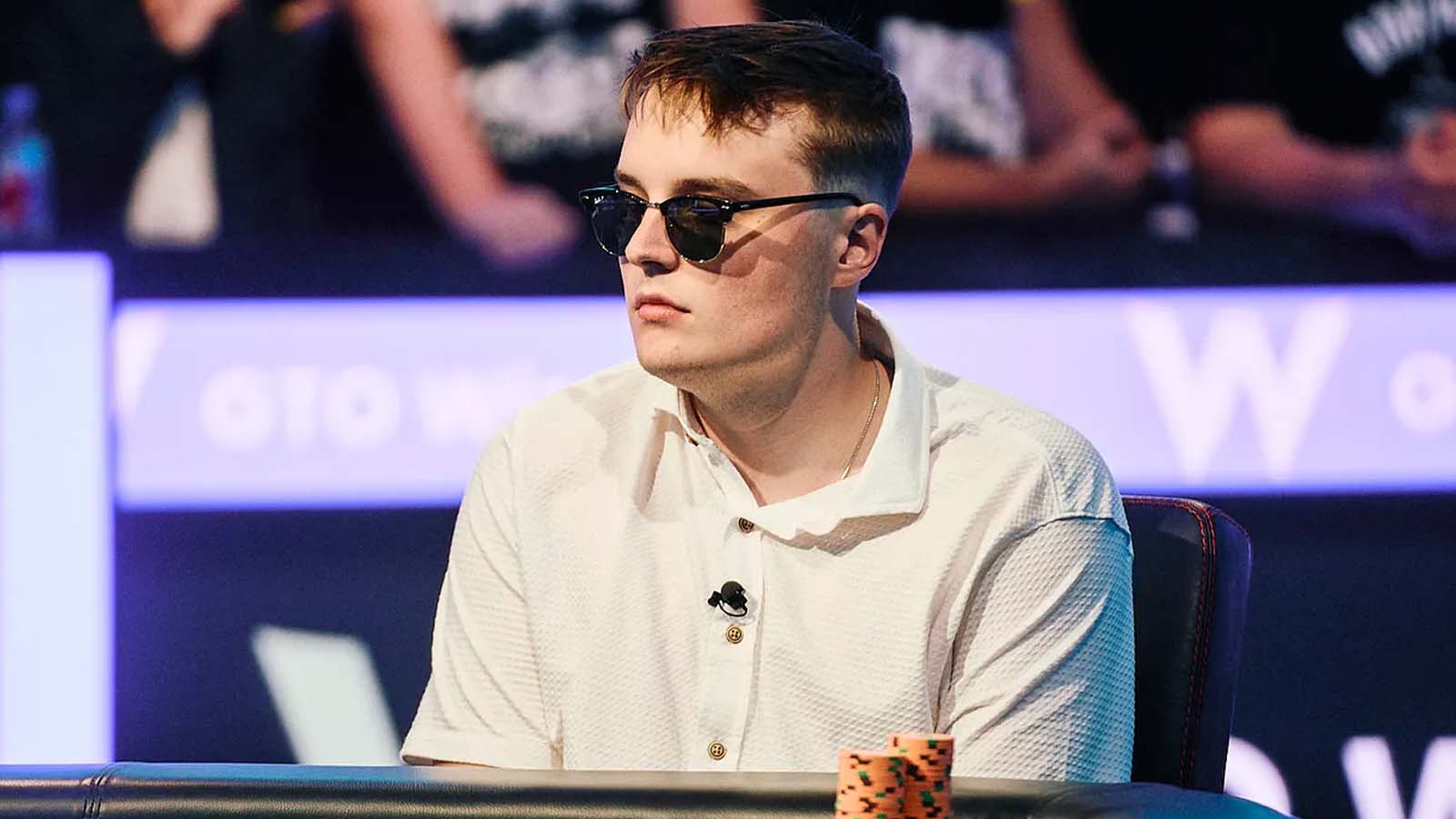
- Lucas Jumalon, 22, of Spokane, Wash., won $10 million and became the second-youngest World Series of Poker champion.
- The 9,208 entries put up $92.08 million, and $85,634,400 of that went back to the field as prize money.
- Cashing paid at least $15,000, one and a half times the buy-in, and everyone out earlier lost the full $10,000.
- Runner-up Lauri Saaskilahti of Finland earned $6 million after heads-up play lasted only 17 hands.
LAS VEGAS – Lucas Jumalon, a 22-year-old from Spokane, Wash., won the 2026 World Series of Poker Main Event and its $10 million first prize on Aug. 5. He beat Finland’s Lauri Saaskilahti in 17 hands of heads-up play to become the second-youngest champion in the tournament’s 56-year history.

The 7% Taken Before A Card Was Dealt
At $10,000 a seat, 9,208 entries put $92.08 million on the table. The prize pool came to $85,634,400 across 1,383 paid places, so 93% of the money went back to the field and roughly $6.4 million never reached it.
Seven percent sounds steep next to a house edge. It is a different kind of cost. A baccarat banker bet carries a 1.06% edge and takes that slice out of every hand, all night, until the bankroll is gone; full-pay 9/6 Jacks or Better returns 99.54% and keeps the other 0.46% on every hand played.
Tournament rake is charged once at the door, and after that the $85.6 million moves between players rather than to the casino. Rake works the same way at USA online poker sites, where the room takes its cut off the top of a pot or an entry fee and leaves the players to settle the rest.
That is the opposite arrangement from the house games stocked across online gambling sites for USA players, where the edge applies to every wager a player makes, hand after hand, for as long as the session runs.
What the 7% does not do is soften the distribution. One entry in roughly 1,000 reached the final nine, and the champion’s $10 million was 11.7% of the entire pool.
$15,000 To Cash, $10 Million At The Top
Surviving to the money was worth at least $15,000, a return of one and a half times the buy-in for days of play. Everyone eliminated before that point lost the full $10,000.
The ladder steepened fast at the end. Ninth place paid $1 million, third paid $3.75 million, and the last two seats were separated by $4 million: $10 million for the win, $6 million for second. Seventeen hands decided that gap.
The 2026 series was also the first in which players could buy into the World Series of Poker with crypto.
A 20-Day Pause, Then 17 Hands
The final table was set July 14, then play stopped for 20 days so ESPN could air the finish live across three nights, Aug. 3 to Aug. 5. Jumalon returned with the chip lead he had held since 13 players remained and closed it out on the last hand, moving all in with K-6 against Saaskilahti’s A-7 and flopping a six that turned into trips.
Only Joe Cada, who won in 2009 at 21, has taken the Main Event younger.