
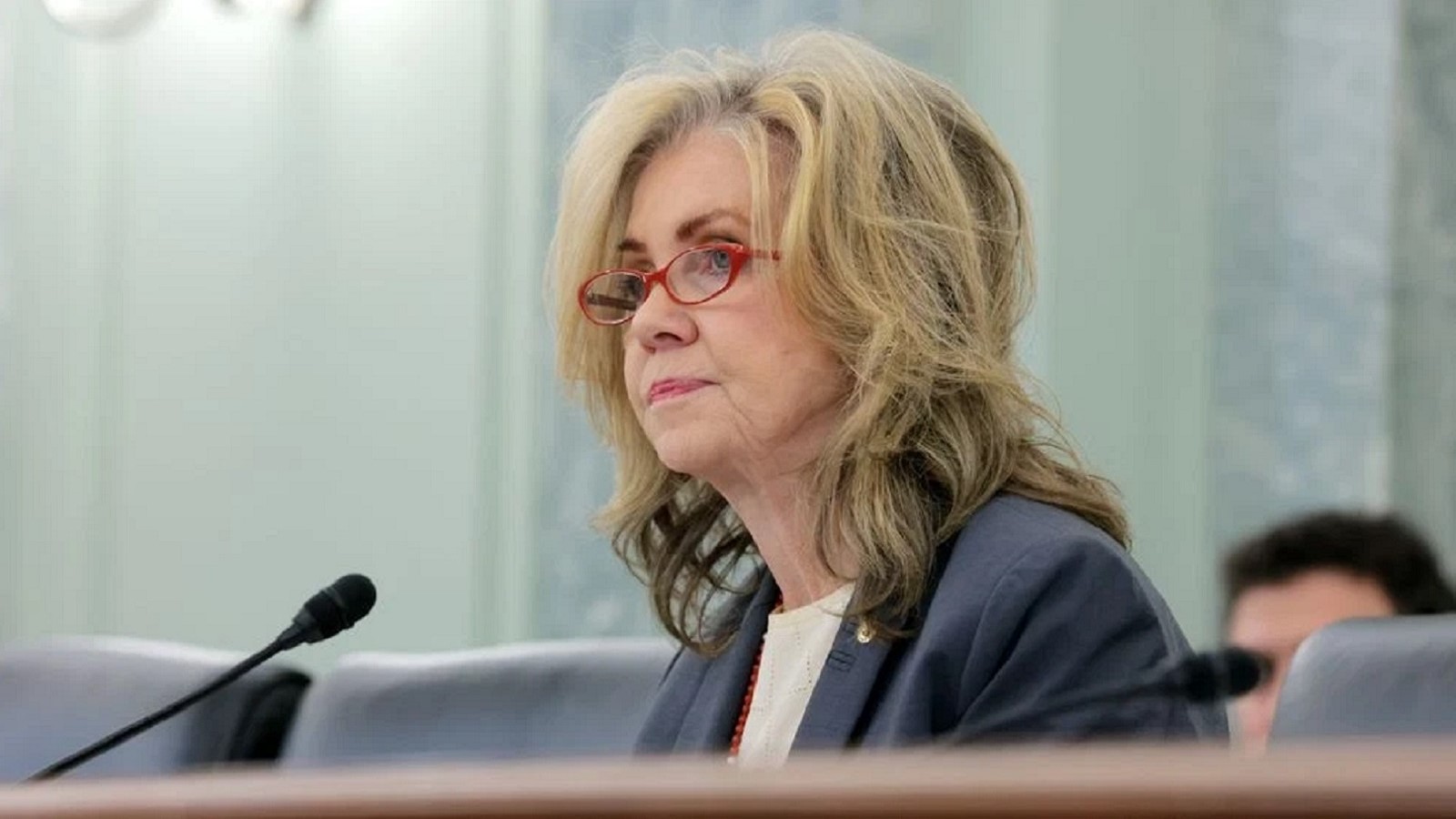
A public split inside the U.S. gambling industry has opened over prediction markets ahead of the first congressional hearing on federally regulated event contracts. DraftKings and FanDuel walked away from membership in the American Gaming Association during November 2025 and have since launched their own CFTC-regulated sports event contract products, including in states where neither company can offer licensed sportsbook services. The hearing, convened by the Senate Commerce Subcommittee on Consumer Protection, Technology, and Data Privacy under the chairmanship of Sen. Marsha Blackburn of Tennessee, took place on May 20, 2026.

On May 16, 2026, the American Gaming Association and the Indian Gaming Association jointly sent a letter to Congress urging lawmakers to pass legislation that would prevent CFTC-regulated prediction-market platforms from listing sports event contracts. The letter carried the signatures of AGA President and CEO Bill Miller and IGA Chairman David Z. Bean, and asked for clear statutory text barring prediction-market exchanges from offering sports betting or casino-style gambling nationally through federally registered platforms. In separate disclosures, the AGA reported spending $730,000 on prediction-market lobbying during the first quarter of 2026, its largest single-quarter outlay against the issue in more than 12 months.
Two competing bills have emerged in the 119th Congress. The Prediction Markets Are Gambling Act would prohibit event contracts based on sports outcomes outright. The Prediction Markets Security and Integrity Act of 2026 proposes a less restrictive registration framework, which the AGA has supported as a workable competitive baseline. A separate coalition consisting of attorneys general from 41 states has likewise written to Congress requesting clearer federal rules, adding considerable state-level pressure to the legislative push. During his testimony on May 20, Miller argued before the Senate subcommittee that prediction-market platforms function as unlicensed national sportsbooks operating under a federal cover story that does not survive legal scrutiny.
The fracture inside the industry runs deeper than messaging differences. After walking out of the AGA in November 2025, both DraftKings and FanDuel built or acquired their way into CFTC-regulated event contract operations, branded as DraftKings Predictions and FanDuel Predicts respectively. DraftKings completed its acquisition of CFTC-licensed exchange Railbird Technologies during late 2025 and used that platform as the foundation for its product. FanDuel constructed its own DCM internally. Both offerings are accessible to users in three of the largest U.S. states without legal sports betting: Texas, California, and Georgia. Fanatics launched its own competing product as well. Estimates from industry analysts place Kalshi’s revenue from sports event contracts alone at approximately $305 million during the first quarter of 2026.
Members of the Sports Betting Alliance, which counts FanDuel, DraftKings, Fanatics, and bet365 among its participants, are now positioned directly against the AGA in federal lobbying on prediction markets. BetMGM, which has not joined the SBA’s position on this question, has aligned itself publicly with the AGA stance. During BetMGM’s April 14, 2026, earnings call, CEO Adam Greenblatt told analysts he anticipates the U.S. Supreme Court will soon weigh in on the prediction-markets question. The framing matches the broader posture taken by most licensed sportsbook operators and tribal gaming organizations, which view federal preemption arguments advanced by prediction-market platforms as a direct threat to the USA sportsbooks framework the industry has built since the 2018 Murphy v. NCAA decision.
The industry’s concern is reflected in the AGA’s own first-quarter reporting. Eighty-one percent of executives surveyed for the AGA’s Q1 2026 Gaming Industry Outlook labeled prediction markets a major risk to the licensed business. Kalshi reported weekly trading volume in excess of $1 billion by the close of 2025 across more than 3,500 active contract markets. Per investment research firm Artemis, sports outcomes account for between 80 and 90 percent of Kalshi’s monthly transaction flow. Even with cease-and-desist letters or lawsuits filed against it in at least 11 states, Kalshi has continued operating in every U.S. jurisdiction through its CFTC licensing.
Federal courts are now actively engaged on both sides of the question. On April 24, 2026, 38 state attorneys general jointly filed an amicus brief at the Massachusetts Supreme Judicial Court against Kalshi, contending that the platform’s preemption theory undermines the states’ authority to regulate gambling within their own borders. On the same day, in the same court, the CFTC filed its own amicus brief asserting exclusive federal jurisdiction. New York Attorney General Letitia James issued a public statement that day arguing prediction-market platforms remain subject to state gambling statutes. On April 6, 2026, the U.S. Court of Appeals for the Third Circuit upheld a preliminary injunction that favors Kalshi in the case captioned KalshiEX, LLC v. Flaherty. The Ninth Circuit heard oral arguments in the consolidated Nevada case on April 16, 2026, with a decision anticipated by mid-summer. A circuit split would almost guarantee a Supreme Court petition by the end of 2026.
The DraftKings and FanDuel position carries an unresolved internal contradiction. The same companies channeling money into the Win for America super PAC to push state-level sports-betting legalization, including efforts targeting Georgia and Texas, are simultaneously running prediction-market platforms in the same states that accept the bets state legalization would authorize, all without paying any state-level tax. The revenue argument for state-level sports betting authorization has been the industry’s most consistent talking point since 2018. The existence of the prediction-market products effectively undermines that argument by demonstrating the wagers are already happening without producing state revenue.
The 119th Congress is the first to consider bills with active industry backing on both sides of a prediction-markets question. Whether either proposal advances out of subcommittee during this session depends on the political calendar leading into the November 2026 midterms and on how federal appellate courts rule between now and August. The Supreme Court endpoint named by BetMGM’s CEO is unlikely to arrive before the 2027 term. In the interim, gambling sites in the US that take sports bets through federally regulated prediction-market frameworks remain accessible to users in all 50 states.