
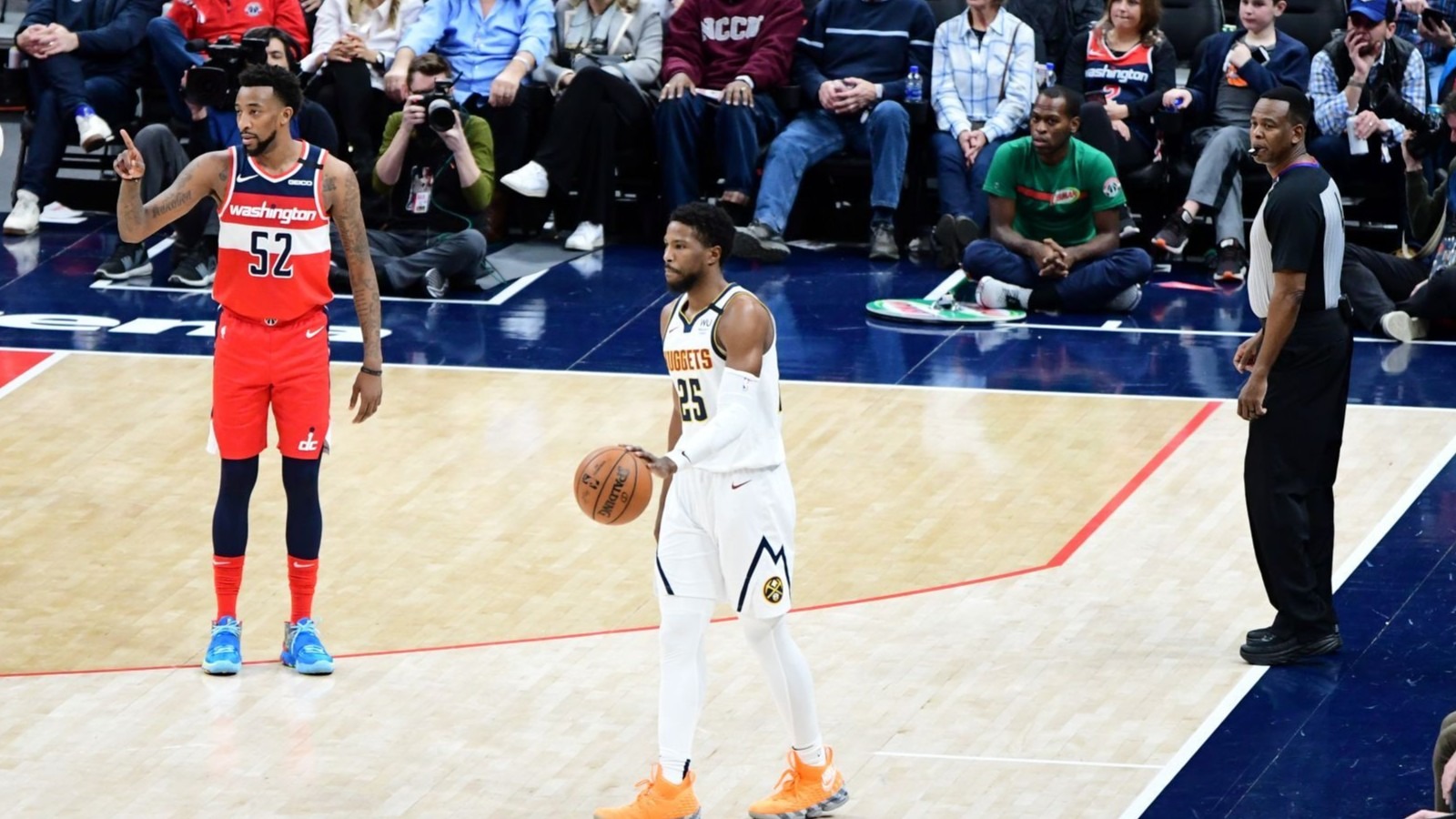
A federal indictment unsealed in Brooklyn accuses the former Milwaukee Bucks guard and five others, including an NBA agent, of manipulating his own rebound and point totals so insiders could cash prop bets. It is the latest blow to the league’s uneasy marriage with legal betting.

- Former NBA guard Malik Beasley and five co-defendants, including an NBA agent, were indicted in federal court in Brooklyn over an alleged prop-bet fixing scheme
- Prosecutors allege Beasley tipped a former teammate, Ed Davis, when he planned to underperform or overperform on his own stats, letting insiders place winning prop bets
- The indictment cites at least four Milwaukee Bucks games in the 2023-24 season and fraudulent wagers totaling hundreds of thousands of dollars
- Beasley, who earned nearly $60 million in the NBA, allegedly took bribes often used to pay down millions in gambling debt he owed Davis
- Beasley denies the allegations and is presumed innocent, and the case is the latest in a two-year federal probe that has now reached several current and former NBA figures
The player prop, the bet on a single athlete’s stat line, has become the sports-betting industry’s most vulnerable point. A federal indictment unsealed this week makes the case in vivid detail, accusing a former NBA guard of fixing the one number he could always control: his own.
What Prosecutors Allege
Federal prosecutors in Brooklyn unsealed an indictment on Monday charging former NBA players Malik Beasley and Ed Davis, along with four others, in an alleged scheme to manipulate NBA player prop bets, according to ESPN. The core allegation is straightforward and damaging. Beasley, who played for the Milwaukee Bucks during the 2023-24 season, is accused of telling Davis in advance when he intended to underperform or overperform in categories like points and rebounds. Davis, described by prosecutors as Beasley’s “gatekeeper,” then passed that non-public information to co-conspirators who placed prop bets built around it. The six defendants face charges of conspiracy to commit wire fraud, bribery in sporting contests, honest services wire fraud conspiracy, and money laundering conspiracy. All are presumed innocent unless convicted.
The Games in Question
The indictment lays out at least four Bucks games from early 2024. Ahead of a January 26 game against the Cleveland Cavaliers, Beasley allegedly signaled he would fall short on rebounds; he finished with three, under a betting line of 3.5 and below his season average of 3.7. Before a February 27 game against the Charlotte Hornets, prosecutors say the plan was for Beasley to underperform on points and overperform on rebounds, and he did both, finishing with six points and four boards. In a March 10 game against the Los Angeles Clippers, he allegedly agreed to clear his rebound line and secured his fourth rebound with a second left on the clock, long after the result was decided. The scheme did not always work. On March 21 against the Brooklyn Nets, prosecutors say Beasley was supposed to underperform on the glass but grabbed six rebounds instead.
The Money and the Motive
The money was not enormous, but the pattern is the point. Prosecutors allege the defendants placed fraudulent wagers totaling hundreds of thousands of dollars across licensed sportsbooks and other betting operators, per NBC News. The alleged motive is the detail that lingers. Despite earning nearly $60 million over a nine-year NBA career, Beasley had run up multimillion-dollar gambling debts, and prosecutors say the bribes he received were often not cash but the forgiveness or reduction of money he owed Davis. In a December 2023 text quoted in the indictment, Davis told Beasley the “only way you can beat Vegas is sports betting,” adding that they could make good money.
Who Is Charged, and Who Is in Custody
The six defendants are Beasley, Davis, NBA agent Paolo Zamorano, Robert Gorodetsky, Ernesto Plascencia, and William Brown. Davis, Gorodetsky, Plascencia, and Brown were arrested Monday. Beasley and Zamorano were not in custody, and Beasley’s attorney said the guard would surrender voluntarily this week. The case is being prosecuted by the U.S. Attorney’s Office for the Eastern District of New York, out of Brooklyn, where a grand jury returned the sealed indictment on June 24.
The Defense and the Presumption of Innocence
The defendants have pushed back. Beasley’s attorney, Steve Haney, said an “indictment is not proof of guilt or evidence,” calling it merely a charge of probable cause, and said his client maintains his innocence and will mount a vigorous defense. An attorney for Zamorano said his client denies the allegations and looks forward to his day in court. Nothing in the indictment has been tested at trial, and every defendant is entitled to the presumption of innocence.
The NBA Responds
The league moved quickly to distance itself. A spokesman said the NBA is reviewing the unsealed indictment, will continue to investigate, and is cooperating with authorities, adding that protecting the integrity of the game is its highest priority. Beasley’s playing days had already wound down before the charges. He last appeared in the NBA with the Detroit Pistons in the 2024-25 season and most recently played in Puerto Rico’s top league, while Davis has been out of the NBA since 2022. The two were teammates on the Minnesota Timberwolves in 2020-21.
Part of a Widening Probe
Beasley and Davis are not the first names in this investigation. Last year, federal prosecutors charged Miami Heat guard Terry Rozier, Portland Trail Blazers coach and Hall of Famer Chauncey Billups, and former player Damon Jones in a sweeping gambling case, and Rozier has pleaded not guilty to additional bribery charges. U.S. Attorney Joseph Nocella Jr. said the defendants in the Beasley case “turned professional basketball into a criminal betting operation,” language that echoes a two-year effort by prosecutors to root out insider betting on player performance across the league.
Why the Leagues Are Coming for Player Props
This is the throughline connecting the NBA case to the rest of sports. Player props are uniquely fixable, because a single athlete can quietly miss a rebound line without changing who wins the game. That is why the NBA began tightening its rules in late 2025, requiring teams to refresh injury reports every 15 minutes on game days and pressing sportsbooks to cap prop wagers, restrict “under” bets, and drop the most manipulable markets. It is the same logic driving the MLB players union’s recent proposal to ban player props outright and the NCAA’s push to bar college prop bets, an industry-wide reckoning that reaches sportsbooks, daily fantasy, and prediction markets alike. The Beasley indictment is the newest exhibit in the case against the bet.