
- Fourteen public comments and one legislative comment reached the docket before the window closed Aug. 10.
- Clinicians asked the Pennsylvania Gaming Control Board to make limit setting the default at account creation.
- Aristocrat estimated about 18 months to build the proposed jackpot and auto-play limits across its systems.
- The package amends nine chapters of Pennsylvania’s gaming code covering online accounts, casino floors and fantasy contests.
HARRISBURG, Pa. – Pennsylvania’s rewrite of its problem gambling rules drew 15 comments before the public comment window closed Monday, splitting clinicians who want player limits switched on by default from operators and suppliers who want them narrowed and phased in. Aristocrat Technologies estimated about 18 months of development across its systems to build the jackpot and auto-play controls the package already proposes.

Nine Chapters, One Package
On Dec. 17, 2025, the Pennsylvania Gaming Control Board adopted proposed rulemaking 125-258. The attorney general’s office cleared it on May 8, the board delivered it to the Independent Regulatory Review Commission on June 4, and it published in the Pennsylvania Bulletin on July 11, starting a 30-day clock.
The rulemaking touches 58 Pa. Code chapters 501a, 503a, 609a, 812a, 814a, 815a, 1118a, 1208a and 1209a. It reaches retail casino floors, fantasy contests and the USA gambling sites that Pennsylvania licenses in a single filing rather than one vertical at a time.
Most of the new obligations sit on the online side, where Pennsylvania gambling sites carry the bulk of the work. Section 812a.9(g) would add three player controls to the existing deposit, spend, wager and time limits. A player could cap participation by potential jackpot value, disable or ration auto-play by both number of rounds and amount wagered, and self-suspend from promotions for a period of the player’s choosing.
Limits would also have to be configurable jointly or separately across interactive gaming and sports wagering, and a temporary account suspension would run from 72 hours up to 12 months.
Section 814a.5 would add a monthly report to the board’s Office of Compulsive and Problem Gaming. Operators would file the total number of Pennsylvania accounts, how many use each self-imposed limit, how many accounts closed for problem gambling reasons and how often the responsible gaming page was opened.
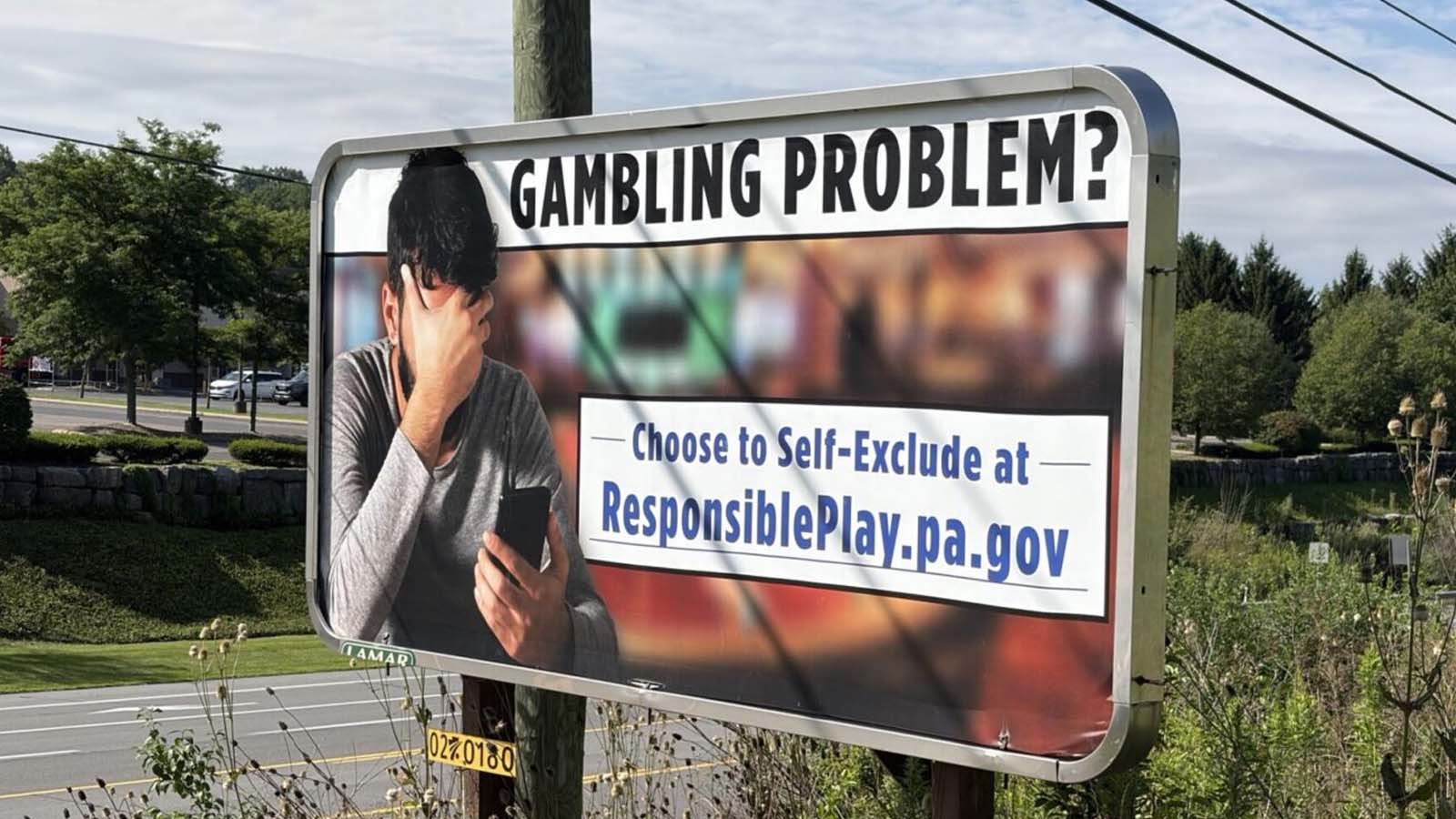
On the fantasy side, Chapter 1209a would require a licensee to close a self-excluded person’s account within two business days and bar the licensee from marketing to anyone removed from the list until that person asks for contact. One provision moves the other way. On billboards, the gambling assistance message font would have to stand at least 2% of the face’s height or width, whichever is greater, down from 5%.
Clinicians Want The Limits On By Default
The National Council on Problem Gambling backed most of the package and objected to that billboard change, telling the board it could see no compelling reason for it. Cole Wogoman, the council’s director of policy and partnerships, asked that limit setting be the default at account creation rather than a feature a player has to find. Wogoman also noted the national helpline has moved to 1-800-MY-RESET.
The Pennsylvania Psychiatric Society and the Pennsylvania Society of Addiction Medicine, representing more than 1,300 psychiatrists and roughly 400 addiction medicine physicians, filed jointly. The societies asked the board to prompt every player daily to set or decline limits, to replace the marketing opt-out with an opt-in, and to end the automatic expiry of interactive gaming self-exclusion so a term does not lapse without the person asking for it.
The Council on Compulsive Gambling of Pennsylvania went further. Executive Director Josh Ercole listed six changes: personalized limits assigned through affordability measures, a ban on credit card deposits for online play, advertising rules that would keep promotions away from schools and colleges, operator tracking data used to flag risky behavior alongside anonymized player data released to independent researchers, cool-down periods on in-game wagering, and an end to automatic removal from interactive gaming self-exclusion.
State Rep. Jose Giral of the 180th Legislative District filed the same six as a legislative comment.
Both cited the Joint State Government Commission’s July 2026 study of sports betting, produced under House Resolution 60. An audit earlier this year found responsible gambling budgets far below what operators pay celebrity endorsers.
Operators Want Definitions And Time
BetMGM asked the board to define the jackpot limit by the value at the time of the wager instead of a potential value, saying an operator cannot predict whether a progressive will later cross a player’s threshold.
The operator also asked to drop the requirement that limits be configurable separately for casino and sports wagering, arguing joint limits protect a player’s whole account. It asked the board to remove the daily win and loss statement and first-class mail delivery as well.
Aristocrat Technologies asked what the jackpot control is meant to do. Product Compliance Officer Jesus Menjibar wrote that the language could be read as restricting game tiles, blocking tournament entry, stopping a progressive bet or checking a changing jackpot value ahead of each wager, and that the last of those would create latency across multiple content feeds.
On auto-play, the company asked whether existing wager, spend, deposit, loss, time and session limits already satisfy the objective, and it estimated roughly 18 months of multi-system development if they do not.
Stadium Casino RE, which operates Live! Casino & Hotel Philadelphia, asked for definitions of terms that set the scope of compliance, including directed marketing, contact and all websites, plus safe harbors for good-faith errors and a phased implementation period.
The Board Puts The Cost At Zero
The board’s regulatory analysis form reports no cost and no savings for the regulated community, local government or state government in the current fiscal year or the five that follow. The form states that no outside persons or groups were involved in drafting the package, and it lists the expected compliance date as upon final publication.
What Happens Next
The commission’s comments on the proposed rulemaking are due Sept. 9. The board told the commission it expects to deliver the final-form regulation in the third quarter of 2026, with the rules effective on final publication. Under the commission’s schedule, the final regulation is due by Aug. 10, 2028.